API pentesting
In an API pentest by AssistSec, our specialised AI agents test your API integrations in depth. An API passes data between applications, within your own network or across the internet and the cloud, and that role is exactly what makes it a favourite target. We test your API the way an attacker would.
Our pentesters are experienced ethical hackers.
What API pentesting is
API pentesting is a security assessment of the interface itself, rather than of anything drawn on top of it. Every endpoint, parameter, token and role is attacked under controlled conditions, including the calls your own front end never makes. That is exactly where an attacker starts.
Also see:ISO 27001 pentestNIS2 pentestDORA pentest
In the knowledge base:Object level authorization (BOLA)Function level authorization (BFLA)Mass assignmentJWT vulnerabilities
Types of pentest
| Black boxFrom €2,500 | Grey boxFrom €3,250 | White boxFrom €3,500 | |
|---|---|---|---|
| Your address or application | Included | Included | Included |
| API spec / documentation | Not included | Included | Included |
| Code review | Not included | Not included | Included |
| Every finding checked by a senior pentester | Included | Included | Included |
| Report and retest | Included | Included | Included |
| Request pentest | Request pentest | Request pentest |
The scope decides the price, and we agree both in the intake call before anything starts. No validated finding, no invoice.
Request pentestHow an API test runs
Intake call
After your request via assistsec.ai, we contact you within 24 hours to schedule an intake call. In that call we discuss your specific question, if needed with one of our pentesters present, set the scope of the pentest and tell you more about how we work.
Drawing up a proposal
After the intake call we draw up a clear plan of approach for your organisation. It sets out exactly how we will run the pentest and what the planning looks like. You also see straight away how many days the test takes and what the total cost is, so you know exactly where you stand before anything starts.
Kick-off meeting
Once you approve the plan of approach, a kick-off meeting follows in which a senior pentester and the client meet. We go through the details of the pentest once more and record them in our intake form, with everything the test needs, such as accounts and URLs.
Execution with AI
Our autonomous agents work through the application while our pentesters follow the leads that need human judgment. Every finding is reproduced and rated by a senior pentester, so what reaches your report is real and nothing else.
Delivery of our findings
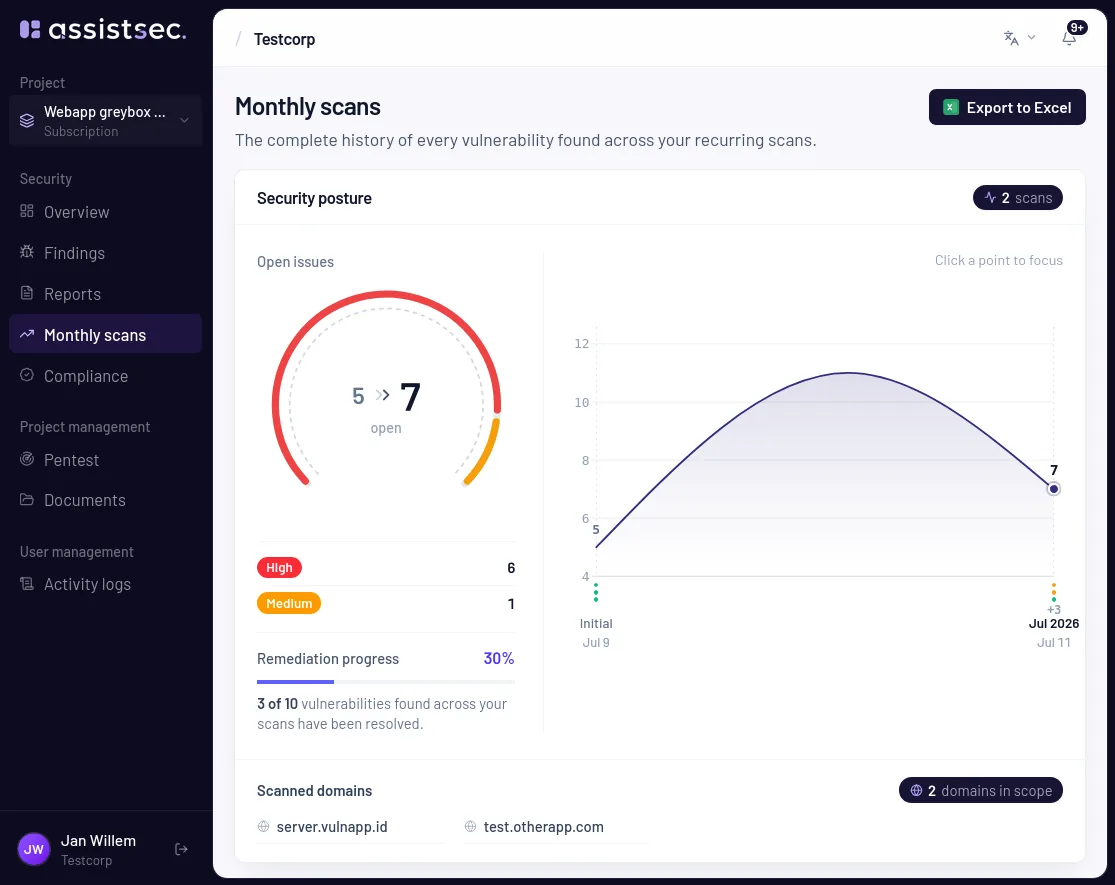
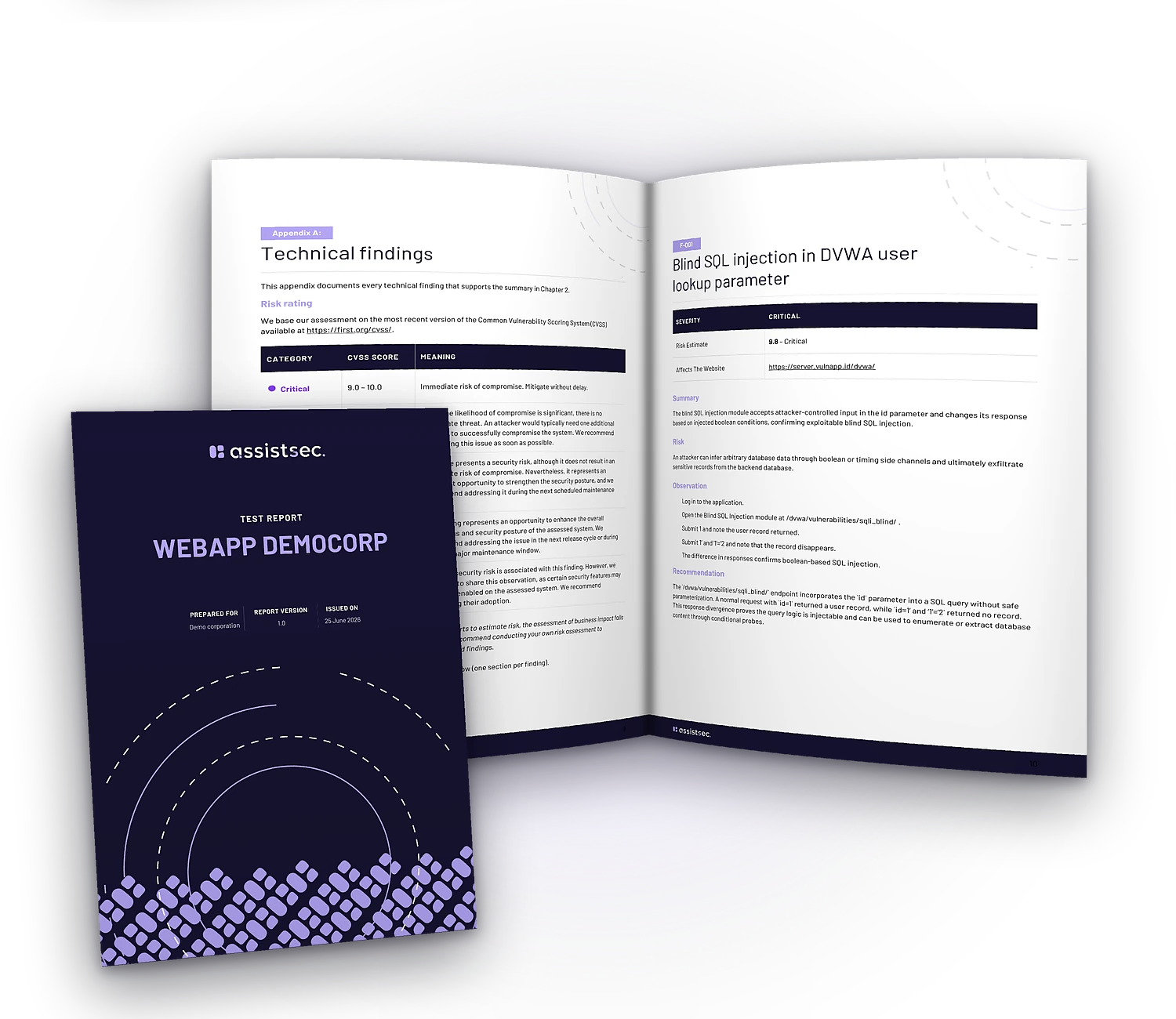
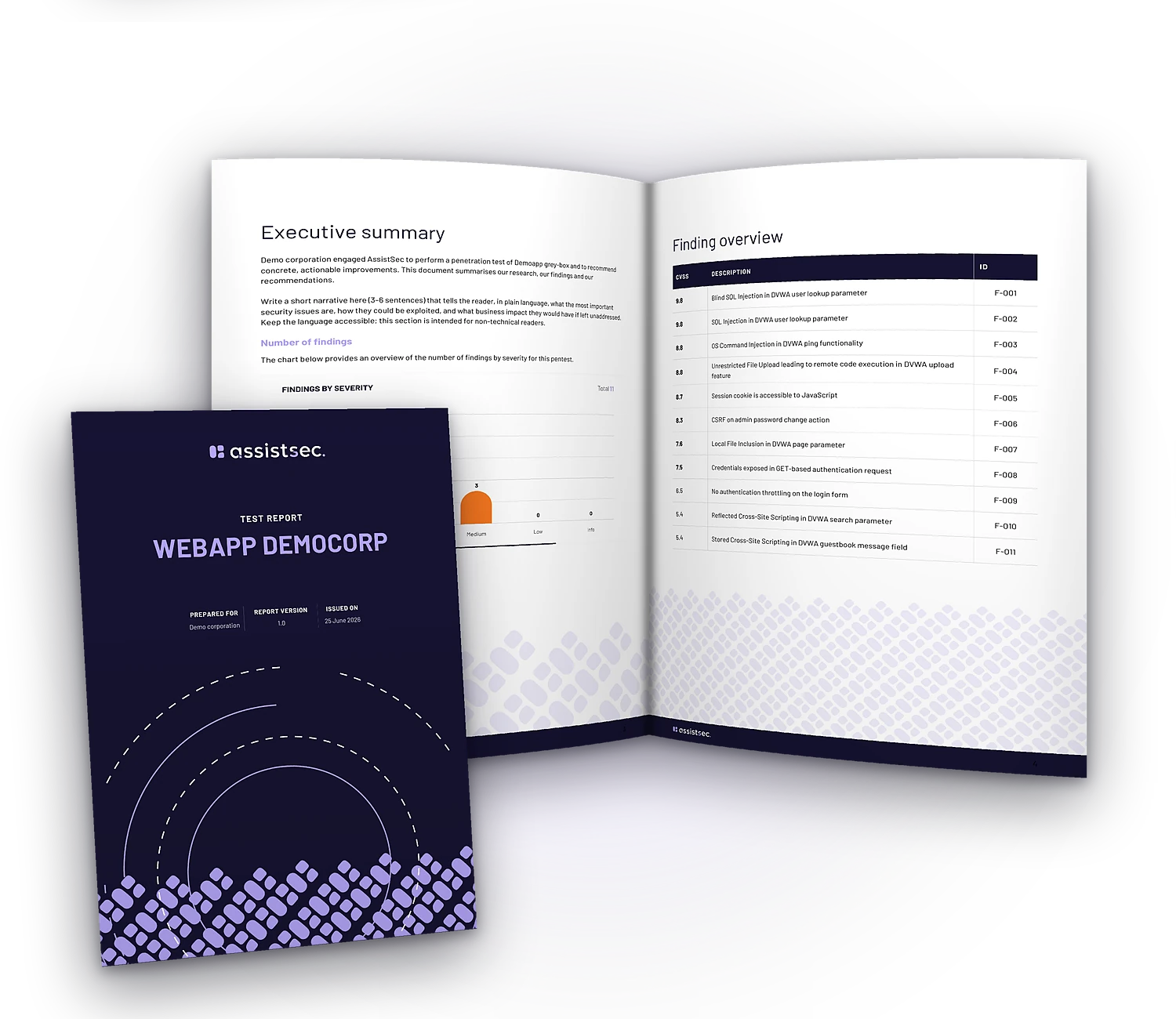
When the pentest is done, you receive a pentest report with every validated finding. Each vulnerability carries a CVSS score, so you see straight away where the biggest risks are. The report opens with a clear management summary, followed by in-depth technical detail and concrete recommendations to strengthen your environment right away. All results can also be viewed and followed up live in our ARGUS portal, including retests once a fix is in.
Report review
Once the report is delivered, we present all findings to the client. We tailor the presentation to the audience: a technical deep dive for IT or an accessible presentation for management. That way everyone involved understands the results and can take the right next steps.
Continuous pentesting or retests
AssistSec offers continuous pentesting as a monthly subscription. We scan the same scope for vulnerabilities on the first Monday of every month and show the results in our ARGUS platform. If you do not choose a monthly subscription, we retest all findings. You request a retest easily through our ARGUS platform.
What you get
A report your developers can work from directly, with a summary the people funding the work can read.
- Every finding with the exact request and response that proves it
- A risk analysis per finding, weighed against real business impact
- Concrete, prioritized fixes written for the people who own the endpoint
- An executive summary that explains the risk in a way anyone can understand
- Findings mapped to the relevant ISO 27001 controls through ARGUS
Why AssistSec for your API pentest?
Comparing quotes? This is how an API pentest by AssistSec compares with other pentest companies.
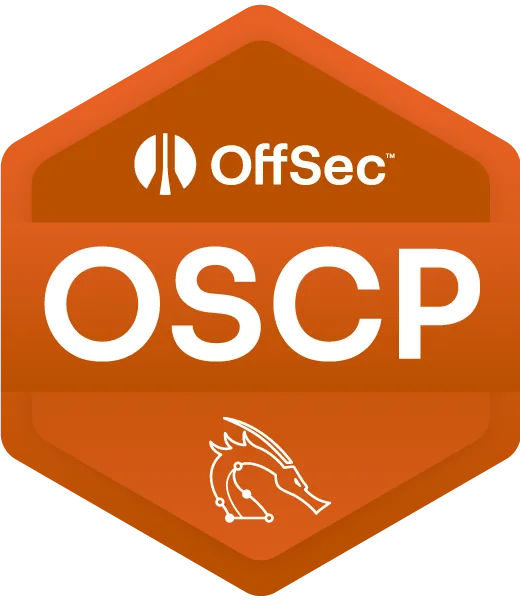
Certifications

No cure, no pay. We guarantee a validated finding, or you do not pay. This applies to every pentest we run, and you keep the full report either way.
Frequently asked questions
Which kinds of API do you test?
REST and GraphQL most often, and gRPC, WebSocket and SOAP services just as readily. What matters is not the protocol but whether we can reach it and know which roles are supposed to reach what.
Do you need our OpenAPI specification?
It helps and we will ask for it, along with a Postman collection if you have one. Both let us start on the logic instead of on discovery. Neither is required: we can map the surface from traffic and from the API's own answers, and finding endpoints your specification forgot is often a result in itself.
What do you need from us?
Accounts for each role, ideally two per role so we can test whether one account reaches the other's data, plus a reachable environment and a contact who can answer a question during the test.
Can you test our production API?
Yes, and we regularly do. We agree a test window in advance and treat destructive actions as out of scope unless you explicitly ask for them. If rate limits or noisy monitoring are a concern we work around them, or you point us at an acceptance environment instead.
Does a pentest help with ISO 27001 or NIS2?
A pentest gives you demonstrable evidence for a certification or audit track. Through ARGUS every finding is mapped to the relevant ISO 27001 controls, which makes reporting on your security posture considerably simpler.


Interested in a pentest?
Discover how AssistSec's AI agents give your organisation faster and more thorough insight into vulnerabilities.
Contact us